Concrete structures that are exposed to an aggressive environment for long duration can deteriorate slowly, resulting in reduced durability and strength.
The most common chemical agent that affects the long term durability of concrete is Chloride ion, which can initiate corrosion in steel reinforcement.
The steel reinforcements embedded within concrete are naturally protected by the nearby high-alkaline environment (pH ~12.5–13.5), which forms a passive oxide film on its surface. This passive film prevents corrosion even in the presence of moisture and oxygen.
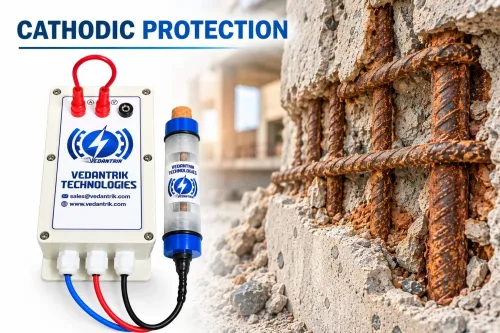
However, chloride ions can migrate through the concrete and accumulate near the steel reinforcement, breaking down the passive oxide layer, exposing it to environmental moisture, and resulting in localized corrosion which eventually spreads to other areas.
Chloride ions increase the corrosion rate of rebars in several ways. Initially, chloride ions interfere with the passive film by complexing with iron ions, which weaken the protective barrier.
Then accumulation of chloride ions increases the conductivity of pore solution, which promotes electrochemical reactions required for corrosion.
Lastly, once corrosion begins, the products of corrosion such as iron oxides and hydroxides occupy a greater volume than the original steel, so the steel bars expand and exert force on the surrounding concrete. These forces then accumulate and cause internal cracking.
Cracking, in turn, accelerates chloride migration by providing direct pathways for chloride ion movement. This feedback loop can cause rapid deterioration in structures exposed to aggressive environments for long duration.
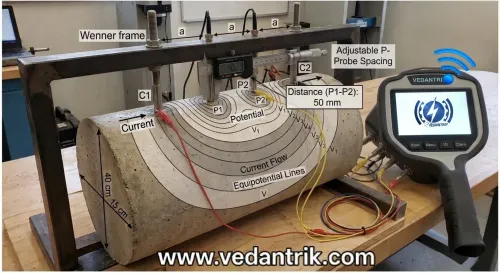
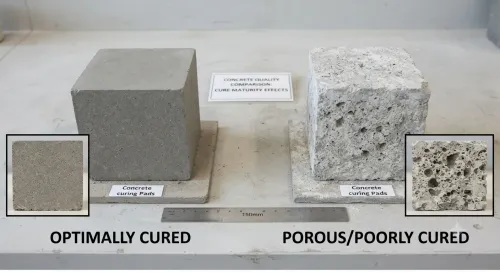
Chloride ion migration is influenced by different factors such as concrete pore structure, size, moisture content, temperature, and exposure conditions. Poor Concrete mix design or improper curing leads to formation of larger size pores, which allow the chloride ions to migrate without any resistance.
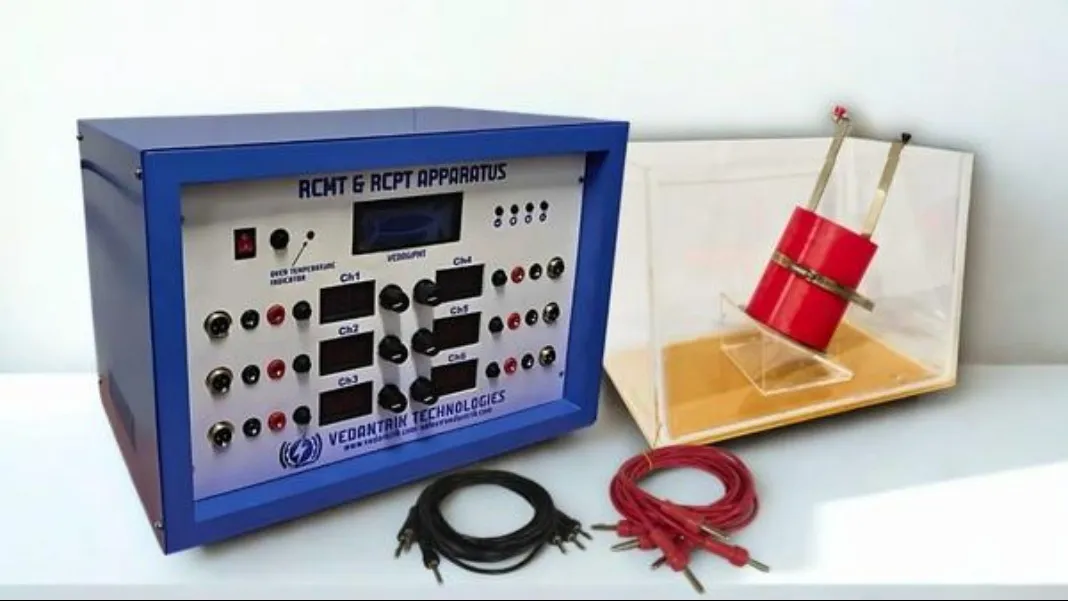
Hence, understanding and measuring chloride ion migration is crucial for designing durable concrete and preventing premature deterioration.
Keywords