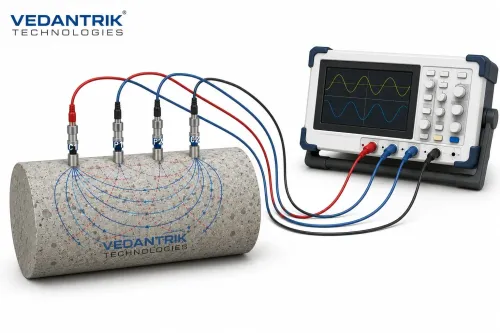
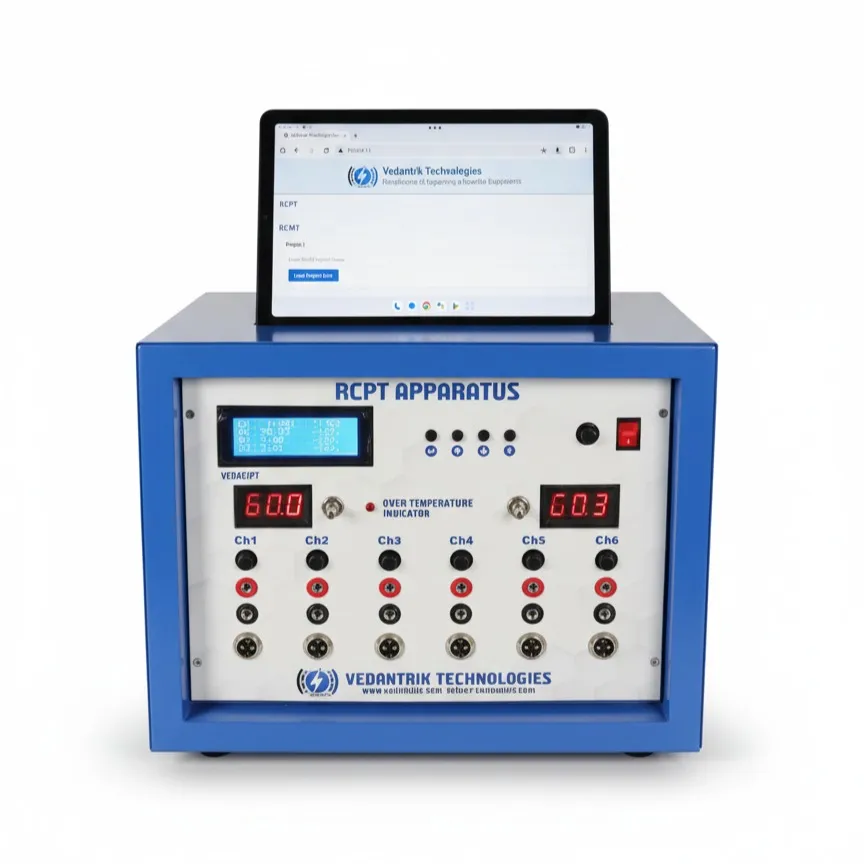
The internal micro-structure of the concrete is the primary governing factor that determines the chloride ion movement, and the RCPT result. The internal pore connectivity, pores size, hydration products, cracks, forms the diffusion pathway of the chloride ions. When the pore structure is dense, discontinuous, and refined then the chloride transport is significantly hindered.
The water-to-cement ratio (w/c) is one of the biggest contributors to micro-structure development. A high w/c creates more capillary porosity, leading to greater permeability and faster chloride penetration. Lower w/c ratios reduce pore volume and connectivity, resulting in improved durability and lower RCPT values.
Supplementary Cementitious materials (SCMs) such fly ash, slag, and silica fumes further refine the micro-structure by forming the CSH gel. These SCMs fill voids and reduce the amount of calcium hydroxide, effectively narrowing pore pathways and decreasing the permeability.
Presence of micro cracks also significantly affects the chloride penetration. Cracks formed due to shrinkage, thermal stress, mechanical loads or improper curing can create new transport pathways that facilitate the ionic movement.
Pore connectivity is another crucial factor that influences the overall chloride movement. Two concretes with similar porosity may have different permeability depending on how interconnected the pores are. A concrete with isolated, discontinuous pores can exhibit very low chloride diffusivity even if overall porosity seems high.
Ultimately, the micro-structure determines whether chloride ions can penetrate quickly or their movement remains blocked. A refined micro-structure not only lowers RCPT charge but also enhances long-term durability in real service conditions. Understanding these microstructural mechanisms helps engineers design concrete mixtures with optimal resistance to chloride attack.
Keywords