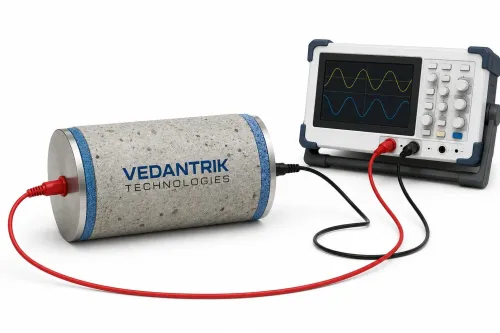
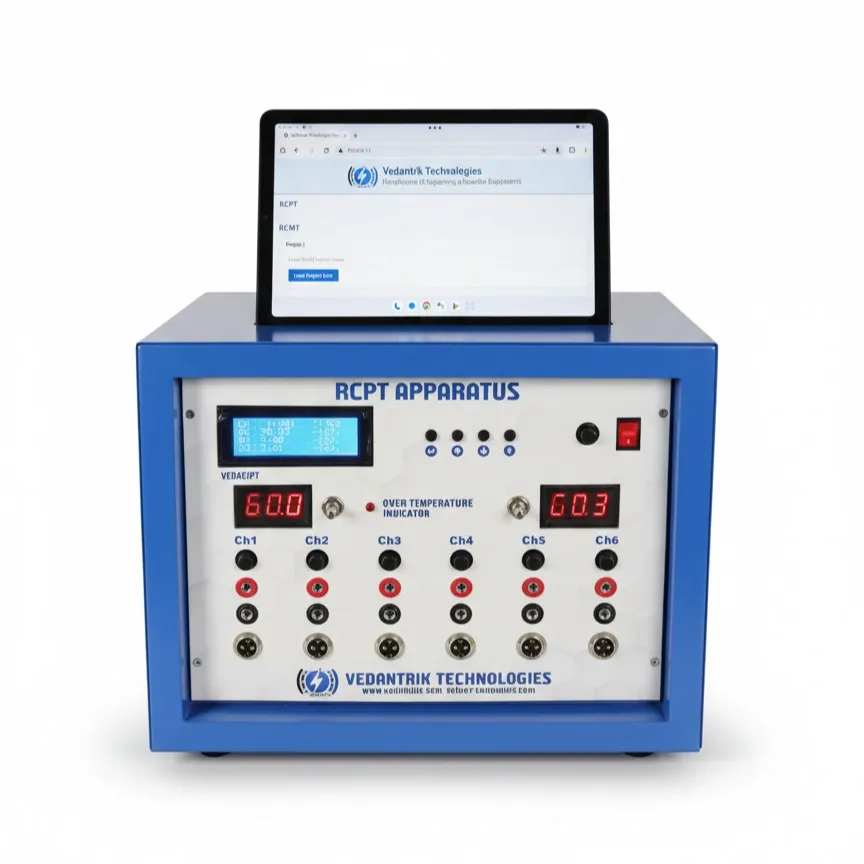
For the Rapid Chloride Permeability Test (RCPT), cylindrical specimens are generally preferred over concrete cubes. The standard procedure described in ASTM International ASTM C1202 requires a test specimen that is approximately 100 mm in diameter and 50 mm thick, which can be easily obtained by cutting a slice from a standard concrete cylinder. Because the test method was developed and validated using cylindrical specimens, cylinders are considered the most suitable option for achieving reliable and standardized results.
One of the main advantages of using cylinders is that they provide a uniform shape and cross-sectional area, allowing the electrical current used in RCPT to pass consistently through the specimen. This helps improve the repeatability and accuracy of the test. Standard cylinders such as 100 × 200 mm or 100 × 300 mm can be cast specifically for RCPT and later cut into the required test discs with minimal preparation.
Concrete cubes can also be used, but they typically require additional specimen preparation. Since RCPT requires a cylindrical disc, a core must usually be drilled from the cube before the specimen can be tested. This extra drilling process increases preparation time and may introduce minor variability if the core is not extracted and trimmed properly. In addition, the concrete near the edges of a cube may not always be as representative as the interior, which can slightly affect test consistency.
When specimens are taken from the same concrete batch and are properly cured, the difference in RCPT results between cube-derived and cylinder-derived specimens is often small. However, cylinders generally produce more consistent and reproducible results because they conform directly to the standard test requirements and eliminate the need for coring.
For this reason, it is recommended to cast dedicated concrete cylinders whenever RCPT testing is planned. If cylinders are not available, cylindrical cores can be extracted from concrete cubes and used successfully, provided that proper drilling, cutting, and surface preparation procedures are followed. Overall, while both specimen types can be used, cylinders remain the preferred choice for RCPT because they offer better compliance with standard testing procedures and reduce the possibility of specimen-related variability.