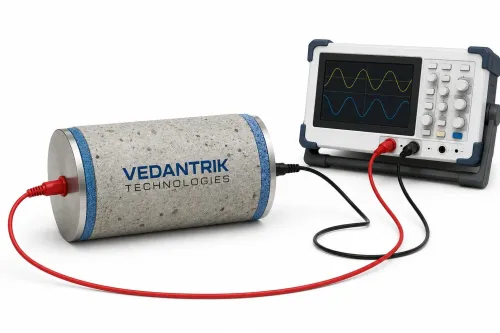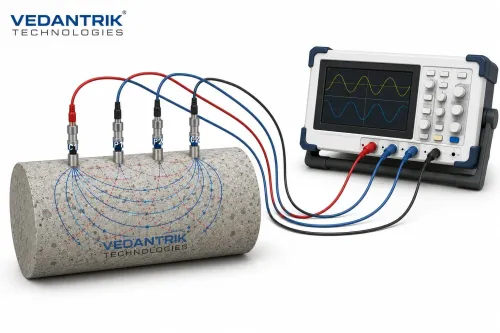
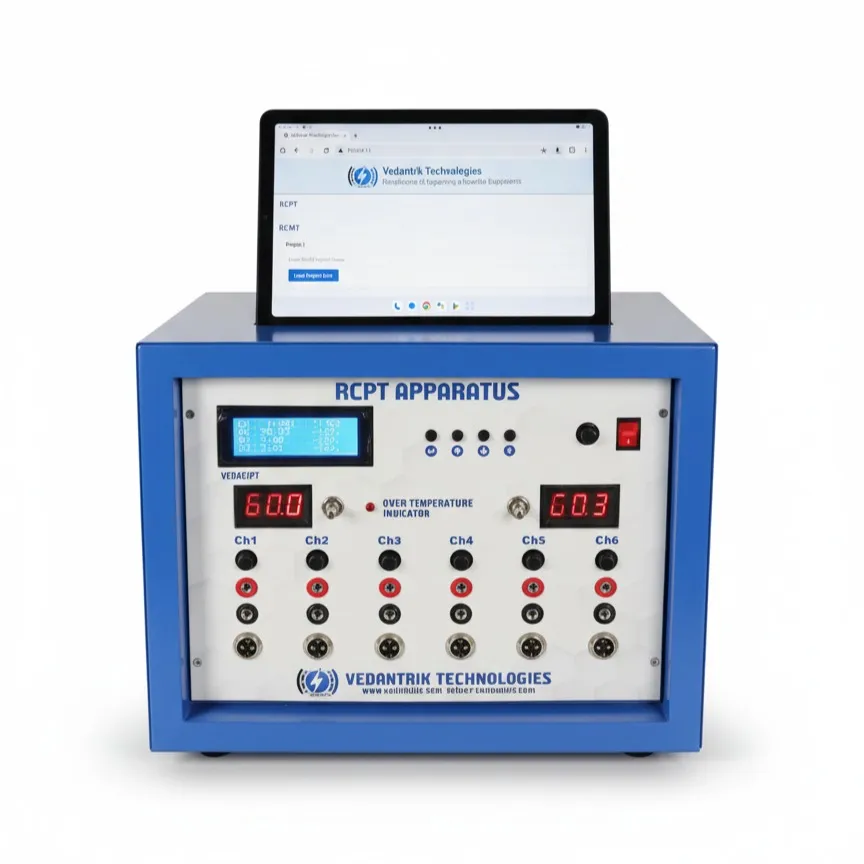
The RCPT test mainly evaluates the electrical conductivity of a concrete specimen by recording current (in mA) at set time intervals throughout the test.
Temperature has a major impact on RCPT results because it directly affects chloride ion movement within the concrete. As current flows during the test, it generates heat in the surrounding solution, gradually increasing the temperature of the concrete specimen over the six-hour duration. Elevated temperatures enhance ion mobility and reduce the viscosity of the pore fluid, which leads to higher measured current and, consequently, greater total charge passed.
As a result, concrete that actually has strong resistance to chloride penetration may appear more permeable due to temperature-induced increases in conductivity during testing.
Temperature can also affect results before the test even begins. Variations in curing temperature among different specimens can significantly influence their microstructure and, therefore, their measured performance.
For this reason, maintaining standardized preparation conditions and strict temperature control is essential to reduce variability in results. Even slight temperature increases of a few degrees can lead to disproportionately large changes in charge passed.
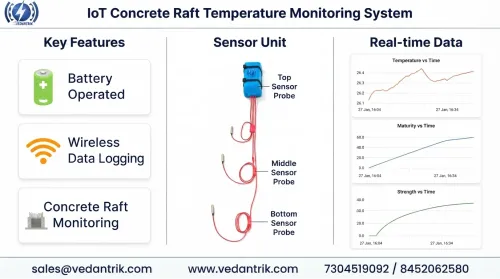
Overall, temperature is one of the most critical factors influencing RCPT outcomes. Proper specimen conditioning, insulation, and continuous temperature monitoring are necessary to minimize errors caused by thermal effects.
A clear understanding of temperature’s role helps engineers interpret RCPT results more reliably and avoid incorrect conclusions about chloride permeability and long-term durability.
Keywords