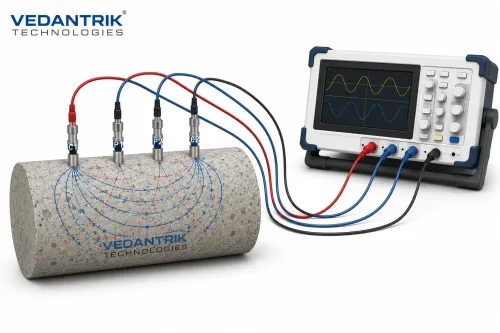
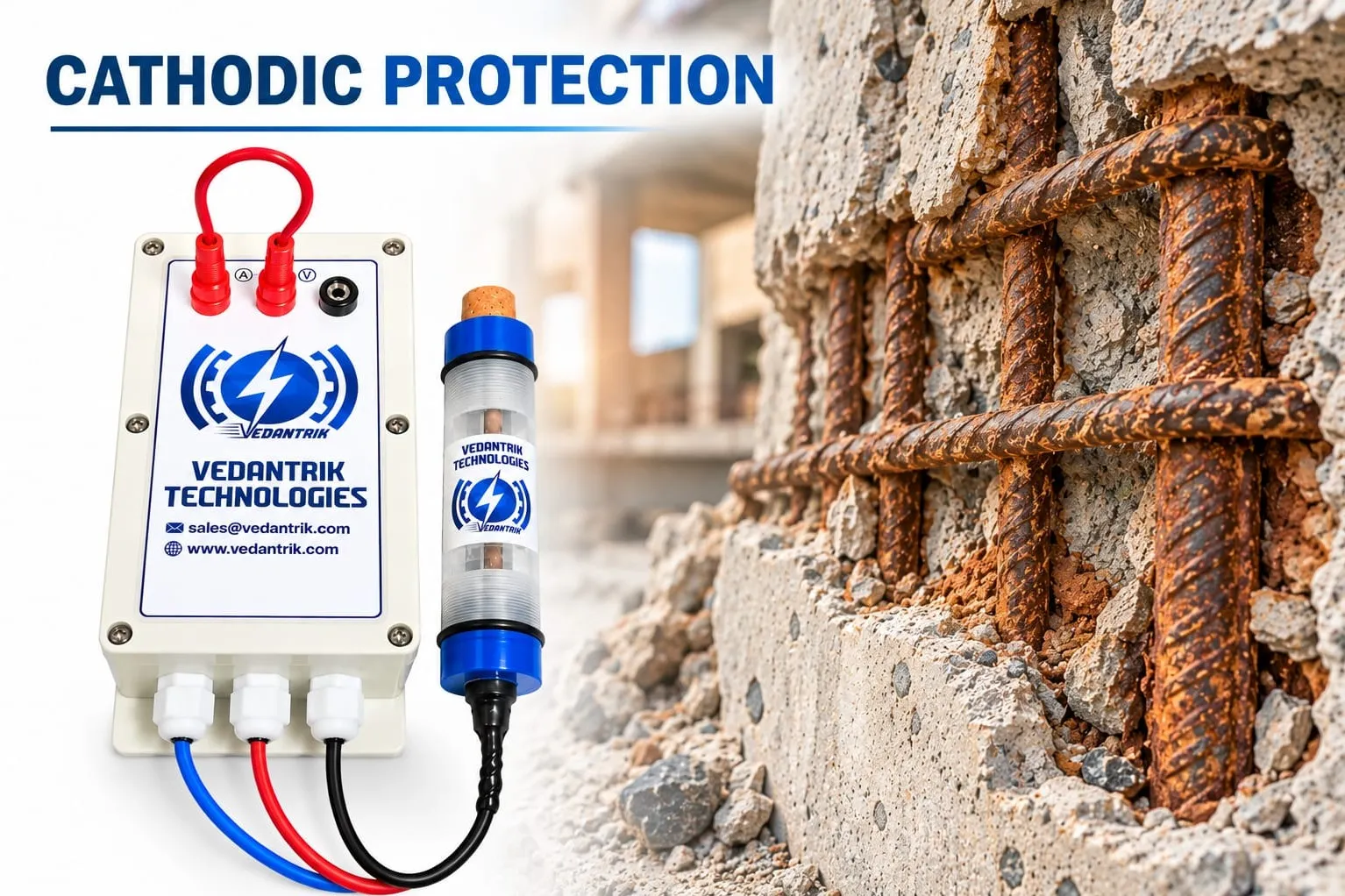
Cathodic Protection (CP) systems are designed to prevent corrosion of steel and other metals embedded in concrete or soil. However, their effectiveness can be greatly affected by environmental factors. Environmental conditions such as moisture, such as temperature, soil composition, chloride presence, and oxygen availability directly affect both the rate of corrosion and the efficiency of CP systems. Understanding these factors is crucial for designing, installing, and maintaining effective protection systems, especially for reinforced concrete structures, pipelines, and marine infrastructure.
1. Moisture and Humidity:
Water acts as an electrolyte, allowing the flow of ions that cause corrosion. High moisture content in concrete, soil, or water rich environments increases the risk of steel corrosion, but it also promotes cathodic protection by providing a medium for current flow. In contrast, extremely dry conditions can reduce conductivity, limiting the effectiveness of CP. Proper monitoring of environmental moisture assures that the cathodic protection system provides sufficient current to all the areas of the steel reinforcement.
2. Chlorides ions:
Chloride ions, commonly found in seawater, and industrial environments, accelerate corrosion of steel in concrete. CP systems are particularly important in such aggressive environments because they counteract the accelerated anodic reactions caused by chlorides. However, the presence of high chloride concentrations may require higher CP current densities and careful monitoring to maintain optimal protection without over protection, which can damage concrete or cause hydrogen evolution.
3.Temperature:
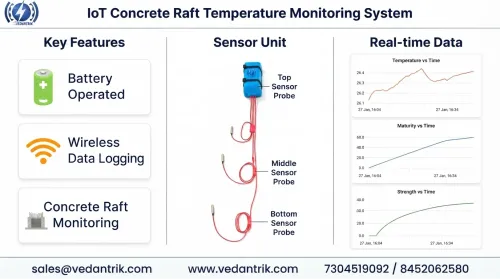
Temperature affects both corrosion rates and CP efficiency. Higher temperatures generally increase corrosion rates because chemical reactions occur faster. In contrast, low temperatures slow down the ionic movement, potentially limiting CP current effectiveness. Variations in temperatures that occur due to seasonal change , concrete structures, pipelines, or marine installations can therefore influence the required CP settings, and systems must be designed to manage these variations
4. Oxygen Availability:
Corrosion occurs more rapidly in areas with higher oxygen availability, which typically affects surface or exposed steel. In CP systems, oxygen distribution also affects the uniform protection, especially in large concrete structures. An environment where oxygen is less available, like dense concrete sections or buried pipelines, may require adjustments in current or additional anode placement to ensure even protection.
5. Soil Composition and Resistivity:
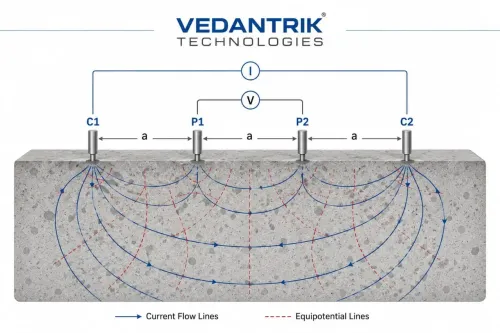
For buried structures like pipelines, the chemical and electrical properties of the surrounding soil greatly impact CP performance. Soils with high resistivity, such as dry sandy soils, impede current flow, reducing CP efficiency. In contrast, moist, conductive soils promote effective current distribution. Soil pH and the presence of sulfates or other aggressive ions can also affect both corrosion rate and system performance.
6. Stray Currents and Interference:
Stray currents from nearby electrical systems, railways, or industrial equipment can interfere with CP performance, causing uneven protection or even localized corrosion. Environmental planning and proper grounding or isolation strategies are essential to manage these effects.
In summary, environmental factors play a critical role in determining the effectiveness of cathodic protection systems. Moisture, chlorides, temperature, oxygen, soil properties, and stray currents all influence both corrosion rates and the performance of CP. Proper evaluation of these factors, combined with effective implementation and continuous monitoring, ensures that steel structures remain protected, durable, and safe throughout their intended lifespan.
Keywords