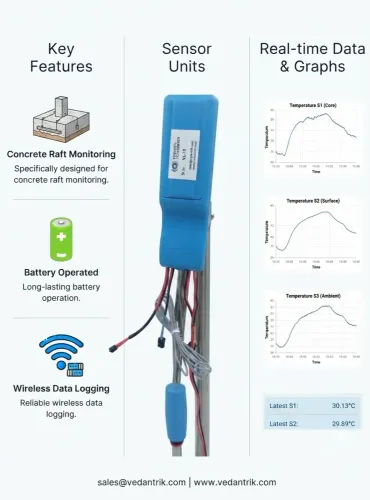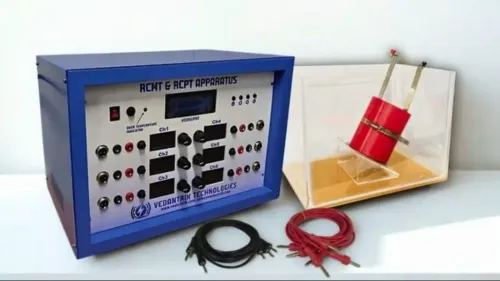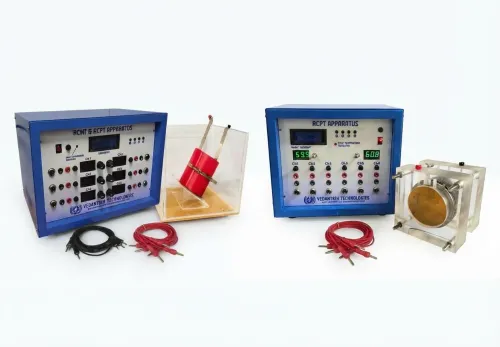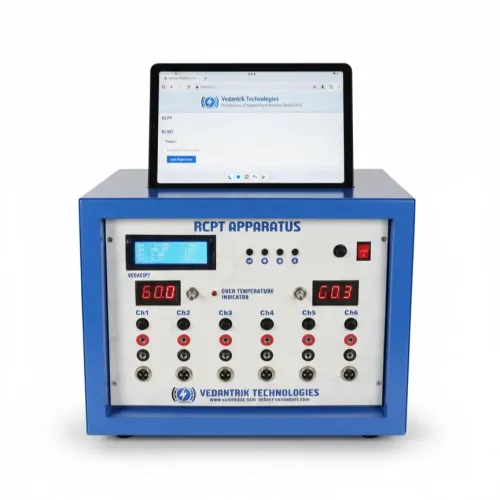
Temperature is a critical environmental factor that can significantly influence the efficiency and performance of cathodic protection (CP) systems. Both corrosion rates and CP system behavior are temperature-dependent, affecting the protection of steel structures in concrete, pipelines, marine environments, and other infrastructure. Understanding the role of temperature is essential for designing, monitoring, and maintaining effective CP systems under varying climatic conditions.
1. Temperature and Corrosion Rates:
Corrosion is an electrochemical process that accelerates at higher temperatures. Increased temperature speeds up the chemical reactions involved in steel oxidation, raising the corrosion rate. Conversely, lower temperatures slow the movement of ions in electrolytes, reducing the rate of corrosion. Therefore, CP systems must be designed to provide sufficient protection under the worst-case temperature conditions expected during the service life of the structure. In hot climates or during summer months, higher currents may be necessary to maintain the steel in a cathodic state, while in colder conditions, lower currents may suffice.
2. Effect on Electrolyte Conductivity:
Temperature affects the conductivity of the electrolyte surrounding the steel, such as soil, water, or concrete pore solution. Higher temperatures generally increase ionic mobility, improving conductivity and allowing CP currents to flow more easily. This can enhance the effectiveness of the system, but also increases the risk of over protection if current output is not adjusted. Lower temperatures reduce conductivity, potentially limiting current distribution and leaving some areas under protected. Engineers must account for seasonal and regional temperature variations to ensure uniform protection.
3. Impact on Anode Performance:
Temperature also influences the behavior and corroding of the sacrificial anode. At higher temperatures, anode dissolution occurs more rapidly, which may require more frequent replacement or a larger initial anode size to maintain long-term protection. In impressed current systems, temperature changes can affect the resistance of anode materials and the overall power supply efficiency, impacting current delivery to the steel.
4. Concrete and Structural Considerations:
For reinforced concrete structures, temperature fluctuations can cause expansion and contraction, creating micro cracks. These cracks can alter the electrical pathways for CP current, leading to uneven protection. Temperature-induced changes in concrete resistivity must be considered during system design, especially in regions with extreme seasonal variations.
5. Monitoring and Adjustment:
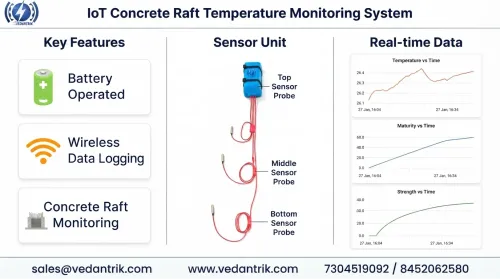
To address temperature effects, CP systems often incorporate continuous monitoring of steel potential and current output. Adjustments may be needed during periods of high or low temperature to maintain optimal protection. Modern CP systems can include automated controllers that compensate for temperature-induced changes, ensuring consistent and reliable corrosion prevention.
In summary, temperature significantly influences both the corrosion process and the efficiency of cathodic protection systems. High temperatures can increase corrosion rates and anode consumption, while low temperatures can reduce electrolyte conductivity and limit current distribution.
Proper design, monitoring, and adjustment for temperature variations are essential to maintain effective protection, ensuring the long-term durability and safety of steel structures in all environments.
Keywords