Curing is a vital process in concrete technology where freshly cast concrete is kept under controlled temperature and moisture conditions to ensure proper hydration of cement. This process directly influences the strength, density, and durability of concrete. If curing is not carried out properly, it can lead to lower strength, increased cracking, higher permeability, and early deterioration. Hence, curing plays a key role in overall concrete performance.
As per laboratory standards such as ASTM C1074, curing water is typically maintained at 27°C ± 2°C. This temperature range is considered ideal for uniform cement hydration and consistent strength development. It also helps reduce variations in test results caused by fluctuating curing conditions.
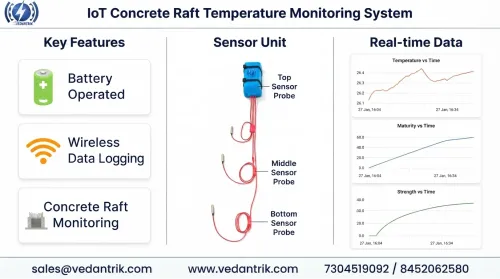
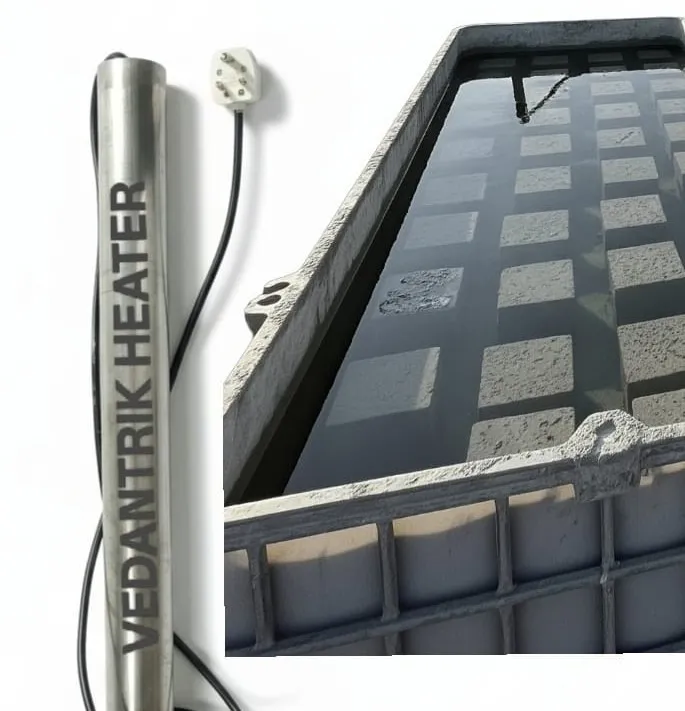
To achieve and maintain this required temperature, advanced curing tank heater systems are used. These systems generally consist of a stainless steel immersion heater combined with a temperature sensor and controller unit. Both components are designed to be waterproof and shock-resistant, making them suitable for continuous operation in water tanks and laboratory environments.
The stainless steel immersion heater is built for long-term submersion without corrosion or performance loss. It operates within a temperature range of 0°C to 100°C (±1°C accuracy), making it suitable for different curing requirements. The controller is capable of handling heating loads up to 3 kW, allowing efficient heating and uniform temperature distribution in large curing tanks. This helps maintain the required 27°C ± 2°C range consistently.
The system’s waterproof and shockproof design ensures safe operation even in demanding laboratory or field conditions. The temperature controller maintains stability by preventing sudden fluctuations, which helps ensure proper hydration and reliable strength development of concrete specimens.
This setup is suitable for both laboratory and field use, especially where multiple samples need to be cured simultaneously. The use of stainless steel also ensures long service life and resistance to corrosion.
In summary, maintaining a curing temperature of 27°C ± 2°C is essential for achieving consistent concrete quality. A reliable immersion heater-based curing tank system provides an effective solution for maintaining stable conditions, ensuring proper hydration and accurate concrete test results.
Keywords