Quality control is essential for obtaining dependable Half Cell Potential data and ensuring that test results can be confidently used for engineering decisions. A well-defined quality control program should begin before field testing and continue through data interpretation.
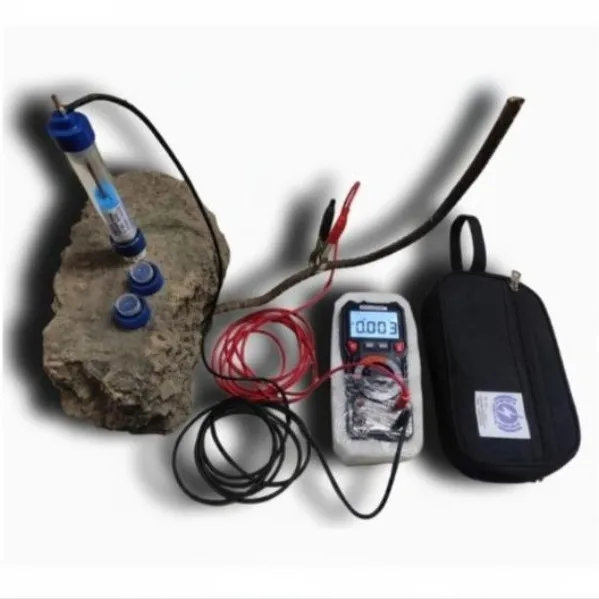
All equipment should be inspected, calibrated, and verified before use. Reference electrodes should be checked regularly to confirm proper operation and electrolyte condition. Damaged or unstable electrodes should be replaced immediately.
Field quality control measures should include verification of reinforcement continuity, duplicate measurements at selected locations, periodic instrument checks, and review of measurement consistency throughout the tests . Any unexpected readings should be rechecked before being included in the final dataset.
Consistent grid spacing, standardized testing procedures, and proper documentation of environmental conditions help reduce variability between measurements. Maintaining detailed field records also improves traceability and allows future tests to be compared with previous results.
During data analysis, contour maps and potential distributions should be reviewed carefully to identify unusual patterns or inconsistencies. Interpretation should consider environmental exposure, structural details, material properties, and complementary test results rather than relying solely on individual potential values.
The assessment process should follow the guidance provided in ASTM C876, while the overall durability evaluation and maintenance planning should align with relevant Indian standards such as IS 456:2000, IS 13311, and applicable repair and rehabilitation guidelines. When combined with proper quality control practices, Half Cell Potential testing provides a reliable and effective tool for evaluating corrosion risk and supporting the long-term durability management of reinforced concrete structures.
Keywords