In modern infrastructure projects, concrete durability is an important parameter that must be taken into consideration, to assess the service life of concrete structures.
Concrete durability is generally defined as concrete’s capacity to resist the effects of long term exposure against various chemical agents, weathering, and abrasions.
Durability of concrete structures is significantly affected by penetration of chloride ions, since they can reach the steel reinforcement, and destroy the passive oxide layer that covers and protects the re-bars, leading to corrosion. This chloride induced corrosion compromises the long term durability of the concrete structures.
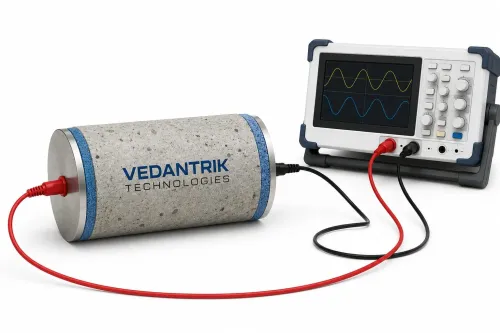
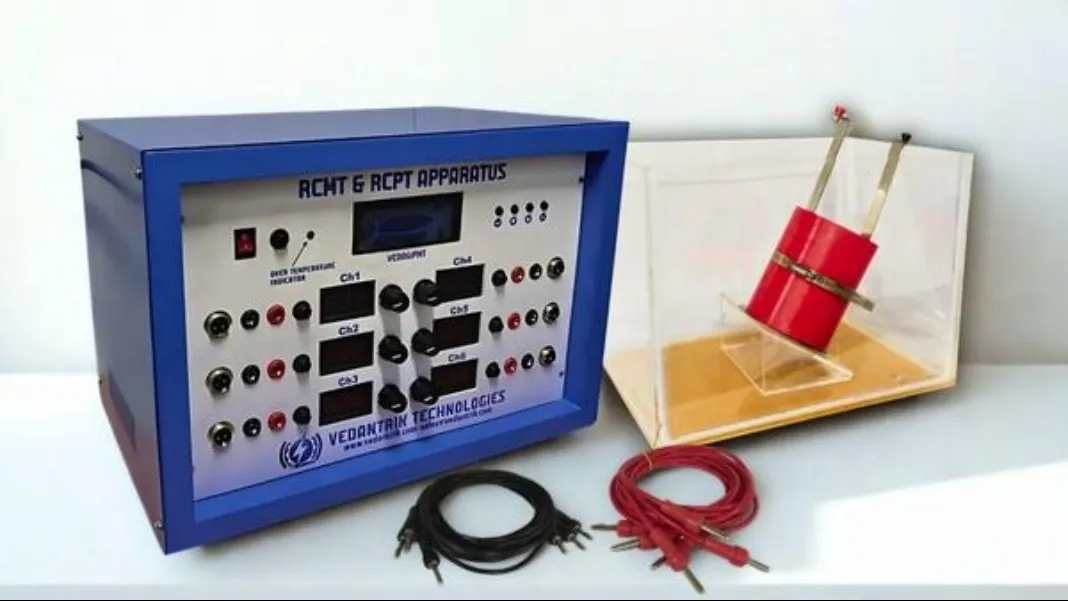
Therefore, the RCMT test is conducted to evaluate how well the concrete mix is able to resist the chloride ions movement, and retains its durability and strength in decades of exposure.
RCMT quantifies the non-steady-state migration coefficient, allowing engineers to compare how different mixtures resist chloride penetration, a critical component of durability design, service-life prediction, and quality assurance.
Since RCMT relies on chloride migration it directly reflects physical chloride movement through the pore structure. This makes it especially useful when evaluating mixtures containing supplementary cementitious materials, which can alter pore chemistry but also significantly improve long-term durability.
Overall, the RCMT is used because it offers a practical, fast, and credible method for evaluating concrete durability and long-term structural performance.
Keywords