Concrete durability generally refers to the concrete’s ability to resist attack of chemical agents, abrasions, weathering during its service life, maintaining its structural integrity and strength over time.
Concrete durability is significantly affected by chloride ions present in the environment. Chloride ions can penetrate through the concrete and reach the steel reinforcement, where it deteriorates the protective oxide layer around the steel reinforcement.
Disintegration of this protective layer exposes the steel reinforcements to the outside moisture which can react with iron ions, resulting in corrosion. Once corrosion initiates it can propagate to other parts over time, slowly influencing the strength.
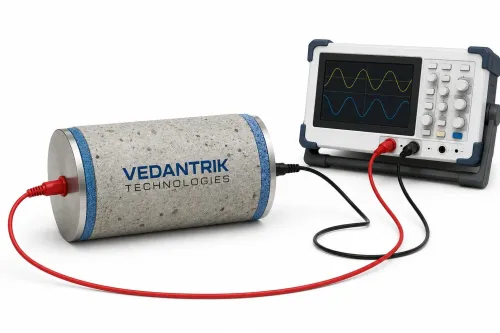
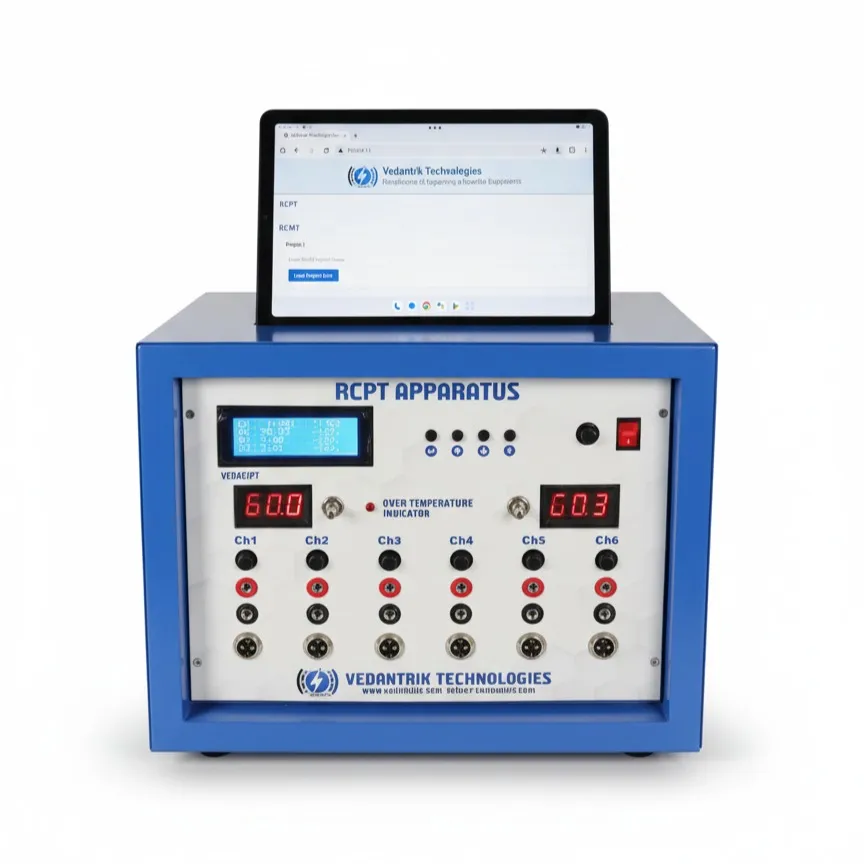
Hence , RCPT is important because it provides a practical and relatively quick way to estimate how vulnerable a particular concrete mixture is to chloride penetration.
RCPT helps engineers evaluate whether a concrete mixture can provide such long-term protection.
Concrete specimens that resist the chloride ion passage often have well defined micro-structure, and are better suited for aggressive environments.
RCPT sometimes is implemented in concrete mixture optimization. The test can highlight the benefits of supplementary cementitious materials like slag, fly ash, and silica fume, used in different proportions, which reduce permeability and refine pore structure.
As sustainability becomes more important, RCPT helps to validate the effectiveness of these materials from a durability standpoint. Because the test is standardized, it provides a consistent basis for comparison.
Keywords