
Mumbai
+917304519092
+917304519092

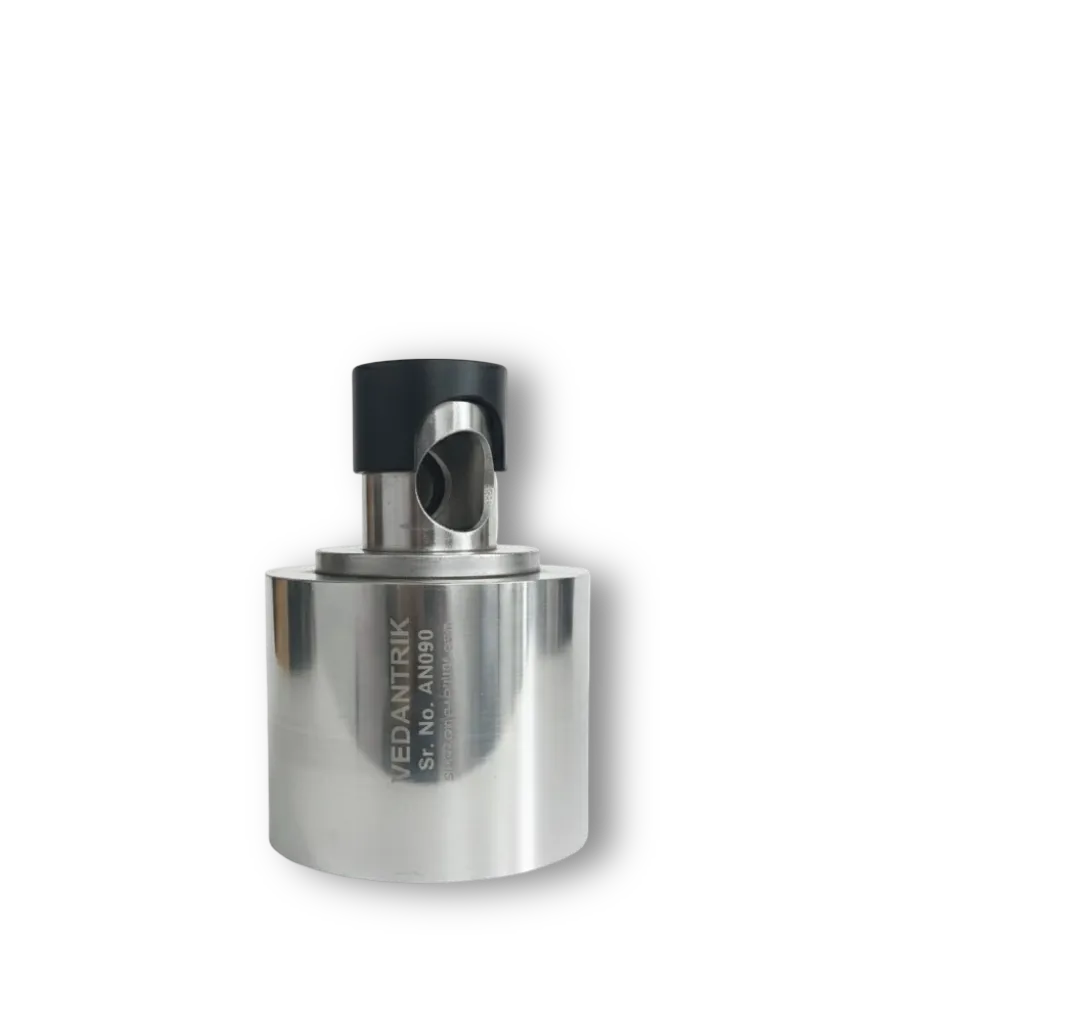
Anvil for Rebound Hammer Calibration

Anvil by Vedantrik Technologies

Anvil for Rebound Hammer Calibration

Subcategory Tags

Rebound hammer anvil Anvil For Rebound Hammer Calibration in India Anvil For Rebound Hammer Calibration Manufacturer in Mumbai Anvil For Rebound Hammer Calibration Manufacturer in India Calibration anvil for rebound hammer Standard steel anvil rebound hammer Anvil HRC 66 Test anvil for rebound hammer India Anvil For Rebound Hammer Calibration Rebound Hammer Calibration Anvil Concrete Test Hammer Anvil Schmidt Hammer Calibration Anvil Rebound Hammer Calibration Equipment Concrete Rebound Hammer Calibration Tool Concrete Test Hammer Calibration Device Calibration Anvil For Rebound Hammer Rebound Hammer Calibration Apparatus Concrete Rebound Hammer Testing Equipment Concrete Strength Tester Calibration Anvil Concrete Hardness Tester Calibration Tool Concrete Testing Equipment Rebound Hammer Testing Anvil Concrete Hammer Calibration Device Concrete Testing Instrument Calibration Equipment For Rebound Hammer Concrete Test Anvil Standard Calibration Anvil Laboratory Calibration Anvil Concrete Rebound Test Anvil Rebound Hammer Accessory Concrete Testing Calibration Device Rebound Hammer Calibration Kit Concrete Surface Testing Equipment Concrete Strength Testing Equipment Concrete Hammer Calibration Block Concrete Impact Testing Equipment Concrete Calibration Equipment Concrete Test Hammer Accessories High Precision Calibration Anvil Concrete Laboratory Equipment Construction Material Testing Equipment Rebound Hammer Calibration Standard Concrete Test Hammer Standard Anvil Concrete Testing Calibration Instrument Rebound Hammer Calibration Machine Concrete Strength Measurement Equipment Concrete Hardness Testing Device Concrete Test Equipment For Calibration Cement Testing Calibration Anvil Concrete Hammer Calibration Standard Concrete Rebound Hammer Calibration Block Testing Anvil For Schmidt Hammer Concrete Quality Testing Equipment Rebound Hammer Test Calibration Tool Concrete Testing Calibration Tool Construction Testing Calibration Equipment Concrete Test Hammer Calibration Accessory Laboratory Concrete Calibration Equipment
Phone Number

+917304519092

Email Address sales@vedantrik.com

Mon-Thu: 10 AM - 2 PM • Fri: 3 PM - 7AM

Other Website Visit our other website
Address 311, Sagar Industrial Estate, Western Express Hwy, opp. Dahisar toll Naka, Diamond Industrial Estate, Dahisar East, Mumbai, Maharashtra 400068, India

Mumbai, India, 400068

Description

Anvil for Rebound Hammer Calibration Anvil is used as a certified reference Material to verify the Rebound Hammer calibration, Generally Rebound Hammer should give 80+/-2 on standard Anvil, having Rockwell Hardness HRC 66+/-2 as per IS 516 if the rebound hammer is functionally in good and calibrated condition. Its primary purpose is to provide a standardised and consistent reference for checking and calibration of the accuracy of the rebound hammer (also known as Schmidt Hammer), which is widely used to assess the surface hardness and estimate the compressive strength of concrete structures. Over time, the mechanical components of the rebound hammer, such as the spring, plunger, and the impact mass can undergo wear and tear, leading to deviations in the rebound readings. The steel anvil allows it to identify such errors, so that they are corrected before the hammer is used on the actual concrete surface. The calibration anvil is constructed from high-grade alloy, hardened, and tempered to achieve surface uniformity and mechanical strength, ensuring that energy losses due to vibration or movement are minimised. The impact surface of the anvil has a Rockwell hardness of approximately HRC 66 ± 2 as per IS 516, which provides a very dense surface similar to an idealised standard. This ensures that when the rebound hammer’s plunger strikes the anvil, the resulting rebound number depends solely on the impact energy and hammer’s internal mechanism and not on surface inconsistency. During the calibration process, the rebound hammer is held perpendicular to the anvil’s surface, and multiple test impacts, usually between 6 - 8 strokes performed. The average rebound number is compared to the standard reference values, which should be generally 80 ± 2, and if the reading falls within this range, the hammer is considered properly calibrated. However, if significant deviation is observed, it indicates that the hammer may need Repair, or mechanical servicing is required to restore its accuracy. Hence using a properly calibrated rebound hammer on Anvil guarantees that subsequent concrete test Rebound Hammer is accurate. Purpose of Anvil: 1. To ensure that the rebound hammer gives a consistent and accurate rebound number. 2. Useful for verifying the rebound hammer performance. 3. Calibration on the anvil helps to identify wear and tear, spring weakness, or other faults in the hammer. 4. Using Anvil ensures the hammer meets requirements of different standards like IS 516, ASTM C805. Principle of Anvil: The calibration of a rebound hammer fundamentally depends on the interaction between the hammer’s plunger and a reference material with well characterised mechanical properties. The Anvil is employed as this reference due to its near-ideal elastic behaviour, uniform density, and negligible energy loss under impact. Unlike concrete, which is heterogeneous and can exhibit variable mechanical responses, steel anvil provides a highly consistent and predictable surface for the hammer to strike. Its high elastic modulus, along with high strength, ensure that the contact between the hammer’s plunger and the steel surface remains almost entirely elastic, with minimum permanent deformation. This consistency allows the rebound hammer to give reproducible rebound readings, which serves as a benchmark for instrument calibration. The principle behind this process is rooted in its basic mechanics, where the rebound hammer’s plunger strikes the surface with defined velocity, and part of its kinetic energy is returned as it rebounds. The amount of energy returned, and hence the rebound distance or reading, depends on the hardness and elasticity of the surface. When the hammer strikes the plunger in contact with the anvil’s surface, it absorbs virtually no energy through plastic deformation, and rebounds with a velocity close to its theoretical maximum for a perfectly elastic collision. This makes the steel anvil ideal standard, providing a reference rebound value that is consistent and unaffected by the natural variability present in materials like concrete. Additionally,by providing a stable reference, it allows for the detection of systemic errors, verification of the internal plunger and spring mechanism, and identification of any calibration drift over time. Components: 1. Anvil: A solid, hardened steel block with a flat, polished surface used to calibrate rebound hammers. As per IS 516 anvil should have Rockwell hardness of approximately HRC 66 ± 2. Standard Procedure for Rebound Hammer Calibration: Overview 1. Preparation of the Anvil: Place the steel anvil of a rigid surface, and ensure the top surface is clean, to get accurate and repeatable impact measurements. 2. Positioning the Rebound hammer: Hold the rebound hammer perpendicular to the anvil surface. Take readings: Press the hammer against the anvil until the plunger releases, then record the rebound reading. Repeat the measurement at least five times. 3. Checking the calibration: Compare the average rebound value with the standard reference values, and if the reading falls within the range, the hammer is considered properly calibrated. Deviations indicate that the hammer may need re-calibration or maintenance. Result interpretation: For calibration, the rebound hammer is held vertically downward and pressed against the surface of the anvil until the plunger is released, then the rebound number is recorded. This step is performed multiple times and the average rebound value is calculated. The average rebound number is compared to the standard reference values, which is 80 ± 2, and if the reading falls within this range, the hammer is considered properly calibrated. Factors Influencing the Anvil Calibration of Rebound Hammer: 1. Surface Hardness and Condition of the Anvil: The reference anvil must have a standardised hardness (HRC 66 ± 2). Any wear, dents, or corrosion on its surface can change the rebound energy , leading to inaccurate calibration results. 2. Operator’s Technique: Variations in holding and pressing positions can affect the readings. Difference in impact angle, pressure, or positioning on the anvil can introduce inconsistencies. 3. Condition and Type of Rebound Hammer: The internal spring strength, plunger smoothness, and general wear of the hammer components affect its performance. 4. Calibration Frequency and Equipment Age: Over time, repeated use can cause mechanical fatigue or loss of spring tension. Regular calibration at recommended intervals ensures reliable performance and compensates for gradual changes. Sources of Errors During the Anvil Calibration of Rebound Hammer 1. Misalignment During Impact: If the hammer is not held perpendicular to the anvil surface, some of the impact energy is lost laterally, giving an incorrect rebound number. 2. Unstable Anvil Setup: The anvil must be placed on a solid, vibration-free base. Any instability or movement during impact can absorb energy and cause calibration errors. 3. Inconsistent Impact Force or Handling: Variability in how the hammer is pressed against the anvil or triggered can cause fluctuations in results. Calibration requires uniform and controlled impacts. 4. Human Reading or Recording Errors: Misreading the rebound index or incorrectly recording data can result in false calibration outcomes. Double-checking readings can minimize this error. Anvil by Vedantrik technologies Accurate testing of concrete strength begins with properly calibrated instruments. One of the most critical tools in this process is the Rebound Hammer, widely used for non-destructive testing (NDT) of concrete surfaces. To ensure that the rebound hammer provides consistent and reliable readings, regular calibration against a standard reference surface such as the Rebound Hammer Calibration Anvil is essential. Vedantrik Technologies offer high-precision Steel Anvils specifically designed for the calibration of rebound hammers. These anvils are manufactured in accordance with both national and international standards, ensuring dependable performance and long-term durability. As per IS 516, the standard hardness of the calibration anvil must be HRC 66 ± 2, and when tested, the average rebound number obtained on such anvils should fall within 80 ± 2. If the rebound readings fall within this specified range, the hammer is considered properly calibrated and ready for accurate field use. Without proper calibration, rebound hammer readings can be inconsistent or misleading, leading to incorrect assessments of concrete strength and potential structural safety concerns. Using a standardised calibration anvil ensures that every reading taken is backed by precision, reliability, and confidence. By routinely calibrating rebound hammers, engineers maintain accuracy in strength evaluations and avoid potential errors in quality checks. It is an essential practice for laboratories, consultants, and contractors committed to delivering reliable results. For calibration anvils in Mumbai, connect with Vedantrik Technologies and ensure precision in your rebound hammer testing. As a best Anvil Manufacturer in India we have supplied in Mumbai, Pune, Nashik, Aurangabad, Surat, Vadodara, Ahmedabad, Indore, Bhopal, Nagpur, Jaipur, Ludhiana, Ghaziabad, Delhi, Lucknow, Kanpur, Prayagraj, Patna, Ranchi, Dhanbad, Bengaluru, Hyderabad, Chennai, Coimbatore, Madurai, Visakhapatnam, Kolkata, and Srinagar. Also we have supplied a range of products in Dubai, Abu Dhabi, the United Arab Emirates, Oman, Saudi Arabia, Kuwait, and Iran. We also serve clients in Singapore, Indonesia, Thailand, and other international locations.
Other Products

view all

6814772a5d263414004dd4a4 Card 2

product image
Mass Concrete Temperature monitoring

Vedantrik Wireless Thermocouple Sensors provide an advanced and reliable solution for temperature monitoring in mass concrete structures. The system is specially designed to measure the internal temperature of concrete during the hydration process, helping engineers control thermal gradients and prevent thermal cracking in large concrete elements. Mass concrete structures such as raft foundations, pile caps, piles, dams, footings, and large foundations generate significant heat during cement hydration. If the temperature difference between the concrete core and surface becomes excessive, it may lead to thermal stress and cracking. Using Vedantrik wireless thermocouple sensors, engineers can continuously monitor concrete temperature in real time without the complexity of long cables or external power supply. Thermocouple Installation in Concrete For accurate concrete temperature monitoring, thermocouple sensors are installed inside the reinforcement cage before concrete pouring. At a typical monitoring location, 3–4 thermocouple sensors are installed at different depths when the concrete thickness is around 1.8–2.0 meters. The sensors are generally positioned at: Top layer of concrete Middle or core zone Bottom layer Each sensor is securely fixed to the reinforcement bars using cable ties or binding wire to ensure stable positioning during concrete pouring and vibration. Advantages of Vedantrik Wireless Thermocouple Sensors The Vedantrik wireless monitoring system eliminates traditional wiring and simplifies temperature monitoring on construction sites. Key advantages include Completely Wireless Concrete Temperature Monitoring Battery Operated Thermocouple Sensors No Long Cable Installation Required Quick and Easy Site Installation Continuous Real-Time Concrete Temperature Monitoring Suitable for Mass Concrete Structures This system reduces installation complexity while providing accurate temperature data throughout the concrete curing period. Concrete Temperature Monitoring Duration Concrete temperature is typically monitored for 7 to 14 days after casting, depending on project specifications. The collected temperature data helps engineers evaluate: Peak hydration temperature Core vs surface temperature difference Thermal cracking risk in mass concrete Concrete maturity and strength development These measurements are critical for quality control, structural durability, and compliance with thermal control plans in infrastructure projects. Applications Vedantrik Wireless Thermocouple Sensors are widely used in: Mass Concrete Temperature Monitoring Raft Foundation Monitoring Pile and Pile Cap Monitoring Bridge Foundations Dam Construction Projects Large Industrial Foundations Why Choose Vedantrik Wireless Thermocouple Sensors Vedantrik offers a cost-effective, reliable, and easy-to-install concrete temperature monitoring system that helps contractors, consultants, and project engineers maintain proper thermal control in mass concrete construction. The wireless design eliminates cable management issues, reduces installation time, and ensures continuous temperature monitoring during the most critical curing period. Wireless thermocouple sensors Battery operated – No external power required No long cable runs Real-time temperature monitoring of concrete core Maturity & strength estimation possible Ideal for raft foundations, piles, footings and mass concrete

6814772a5d263414004dd4a4 Card 2

product image
Concrete Maturity meter

Wireless Mass Concrete Temperature Monitoring & Maturity Sensor – VedaLite by Vedantrik Technologies For Temperature controlled concrete and other concrete members. Mass concrete elements such as rafts of High rise buildings, dams, thick foundations, piers, piles, and hot-block castings generate significant internal heat due to the exothermic hydration of cement. If this heat is not properly monitored, thermal gradients develop between the core and surface, leading to thermal stresses, micro-cracking, reduced durability, and long-term structural risks. International standards such as ASTM C1074 (Concrete Maturity Method) explain how temperature history can be used to calculate maturity and strength development using scientific models like the Nurse–Saul and Arrhenius equations. This method allows engineers to predict real-time strength, optimize curing, and make informed decisions about formwork removal and prestressing operations. Introducing VedaLite – Wireless Concrete Temperature & Maturity Sensor VedaLite by Vedantrik Technologies (Mumbai, India) is an advanced wireless concrete temperature monitoring and maturity system designed for mass concrete, high-rise buildings, infrastructure, and precast applications worldwide. This innovative single wireless module is capable of measuring temperature at four critical locations simultaneously and also gives the Idea of thermal gradient: - Ambient temperature - Top of the concrete - Middle of the concrete - Bottom of the concrete This multi-point sensing approach ensures accurate thermal profiling of rafts, dams, foundations, piers, piles, and thick structural elements. Why Wireless Monitoring is Superior Traditional wired temperature monitoring systems face multiple challenges: - Signal errors due to long wire lengths - Wire damage during reinforcement and concreting - Data loss or inaccurate readings - Complex installation and maintenance VedaLite wireless technology eliminates these problems by: - Removing long wire runs - Preventing damage during casting - Ensuring reliable, uninterrupted data - Reducing installation time and labour costs Economical Single-Module Multi-Point Monitoring Unlike conventional systems that require multiple sensors and cables, VedaLite uses a single compact module to monitor four critical points. This makes it: - More economical - Faster to deploy - Easier to manage on large sites - Ideal for high-rise rafts, dams, and infrastructure projects Battery-Operated – No 24/7 Power Dependency VedaLite operates on a long-lasting battery for up to 60 days, which: - Eliminates the need for continuous power supply - Reduces site dependency on generators - Ensures uninterrupted monitoring even in remote locations Real-Time Data, Memory & Graphical Analysis The system features: - Inbuilt memory for continuous data logging - Temperature vs. time graphical representation - Wireless connectivity with mobile phones and laptops - Real-time monitoring from anywhere on site This allows engineers to: - Track temperature rise and fall - Control thermal gradients - Prevent cracking - Make informed construction decisions Sacrificial and Reusable System Options Vedantrik offers flexible solutions: - Low-cost sacrificial wirless Concrete temperature multi-point sensing modules for single-use projects (mostly prefferd as No huge investment or high upfront cost involved) - Reusable transmitter modules where only the sensors are sacrificial and transmitter is Re-Usable with extra cost. This provides cost-effective solutions for both large infrastructure and repetitive construction projects. Maturity & Strength Monitoring for Structural Concrete When used in: - Columns - Beams - Slabs - Precast elements - In-situ structures - PT slabs The same module can provide: - Concrete maturity values - Real-time strength estimation - Reduced dependence on cube testing - Accurate formwork removal timing - Safer prestressing operations As per ASTM C1074, a maturity-strength correlation is established for the specific mix design, enabling reliable strength predictions from day one. Applications - High-rise raft foundations - Mass concrete structures - Dams and spillways - Bridge piers and pile caps - Deep foundations and piles - Hot-weather concrete - Precast plants - PT slabs and structural elements Why Choose Vedantrik Technologies - Wireless, cable-free monitoring - Economical multi-point sensing - Up to 60-day battery operation - Real-time mobile and laptop connectivity - Inbuilt data memory and graphs - Sacrificial and reusable options - Suitable for mass and structural concrete - Developed and deployed in major infrastructure projects Vedantrik Technologies – Mumbai, India Delivering advanced wireless concrete monitoring solutions for projects across India and worldwide.

6814772a5d263414004dd4a4 Card 2

product image
Curing Tank Temperature Controller

Curing Tank Temperature Controller for Concrete Cubes NABL Calibrated | Single & Three Phase | Waterproof & Shockproof | Heater, Chiller & Pump Ready Vedantrik Technologies presents an advanced curing tank temperature controller designed specifically for concrete cube curing tanks used in NABL-accredited laboratories, RMC plants, construction site labs, and infrastructure projects. The system accurately maintains the standard curing temperature of 27 ± 2 °C, as prescribed by IS and NABL guidelines. Equipped with an intelligent temperature controller, SS316 waterproof immersion heaters, and built-in electrical safety protections, this solution eliminates manual temperature monitoring and ensures consistent, audit-compliant curing conditions. Each system can be supplied with an NABL-traceable calibration certificate, making it suitable for laboratory audits and quality assurance processes. Concrete Curing Tank Temperature Control System This plug-and-play curing tank controller manages heating during winter and cooling during summer, ensuring uninterrupted and uniform curing of concrete test specimens. The controller supports both single phase and three phase power supplies, allowing it to work seamlessly with different tank sizes and heater configurations without any modification. Ideal Applications Concrete cube curing tanks NABL civil engineering laboratories Construction site testing laboratories RMC plants and QA/QC departments Infrastructure and government projects Technical Specifications – Curing Tank Controller Power Supply: Single Phase / Three Phase AC, 230 V Maximum Current Capacity: 32 Amps Temperature Set Point: 27 ± 2 °C Temperature Accuracy: ±1 °C Controller Power Cord Length: 2 meters Temperature Sensor Cable Length: 5 meters Plug & Play Connections Heater connection Chiller connection Water circulation pump connection Temperature sensor connection No skilled installation required. Key Features of Curing Tank Temperature Controller Compatible with single phase and three phase heaters Dedicated socket for chiller (summer curing) Dedicated socket for circulation pump Built-in short circuit and over-current protection Integrated MCB and RCCB for complete electrical safety Rugged design suitable for laboratory and onsite conditions Smart Heating & Cooling Logic (Energy Efficient) Heating Control – Winter Operation Heater switches OFF above 27 °C Heater switches ON below 25 °C Prevents overheating and reduces power consumption Chiller Control – Summer Operation Chiller switches ON above 29 °C Chiller switches OFF below 25 °C Maintains curing temperature as per NABL and IS standards Heater Selection Based on Curing Tank Volume Below 2000 liters: Single phase heater recommended Above 2000 liters: Three phase heater recommended The controller supports both heater types without any modification. Electrical Load Capacity of Controller Three Phase Heater Load Heater Rating: 4 kW per unit Minimum Load: 1 × 4 kW Maximum Load: 4 × 4 kW (Total 16 kW) Single Phase Heater Load Heater Rating: Up to 2 kW per unit Minimum Load: 1 heater Maximum Load: 3 heaters (Total 6 kW) Note: Single phase heaters draw higher current; therefore, lower total power is recommended. For large curing tanks, three phase heaters provide better efficiency and stability. SS316 Waterproof & Shockproof Immersion Heaters Three Phase Immersion Heater Power Rating: 4 kW Cable Length: 5 meters Cable Type: 5-core Heater Material: SS316 Protection: Waterproof & shockproof Single Phase Immersion Heater Power Rating: 2 kW Cable Length: 5 meters Cable Type: 3-core Heater Material: SS316 Protection: Waterproof & shockproof Recommended Heater Configuration for Curing Tanks Single Phase System (Small & Medium Tanks) 2000 liters: 1 × 2 kW heater 4000 liters: 2 × 2 kW heaters 6000 liters: 3 × 2 kW heaters Maintains 27 ± 2 °C curing temperature. Three Phase System (Large Tanks) Up to 2500 liters: 1 × 4 kW heater Up to 5000 liters: 2 × 4 kW heaters (8 kW) Up to 7500 liters: 3 × 4 kW heaters (12 kW) Up to 10,000 liters: 4 × 4 kW heaters (16 kW) Best Practices for Uniform Concrete Curing Interconnect multiple curing tanks using a water circulation pump For identical tanks in the same environment, one temperature sensor is sufficient For different tank sizes, place the sensor in the largest tank Use multiple controllers for independent temperature control Multichannel curing tank controller available for economical multi-tank operation NABL Compliance & Custom Solutions NABL-traceable temperature calibration certificate available Multichannel and customized curing tank controllers Designed for NABL labs, RMC plants, infrastructure projects, and site laboratories Contact for Pricing & Technical Support 📞 8452062580 📧 sales@vedantrik.com Topic covered above Curing tank temperature controller Concrete cube curing tank controller NABL curing tank temperature controller Concrete curing tank heater SS316 immersion heater for curing tank Single phase curing tank heater Three phase curing tank heater Concrete laboratory curing equipment Curing tank temperature control system