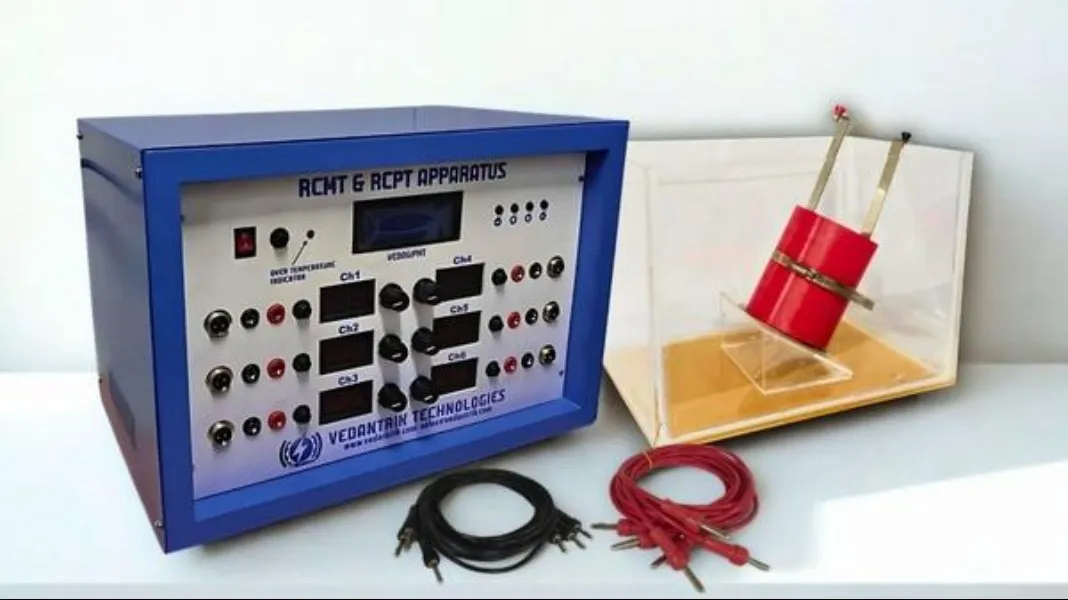
When conducting an RCMT (Rapid Chloride Migration Test), proper attention to procedure and conditions is essential to ensure reliable and meaningful results. Since the test evaluates the resistance of concrete against chloride ion penetration under an electric field, even small deviations in setup can significantly affect the outcome.
One of the most important steps is proper specimen preparation. The concrete sample should be free from cracks and defects, and it is typically obtained as a core or cast cylinder slice with a standard thickness. The faces must be smooth and parallel to ensure uniform current flow during the test. In addition, the specimen should be tested at the specified curing age, commonly 28 days, unless otherwise defined by the project requirements or standards.
Adequate saturation of the specimen is another critical factor. The sample must be fully saturated, usually through vacuum saturation or prolonged water immersion, to ensure consistent ion movement during the test. Incomplete saturation can lead to inaccurate chloride migration results because dry or partially saturated pores resist ion flow differently.
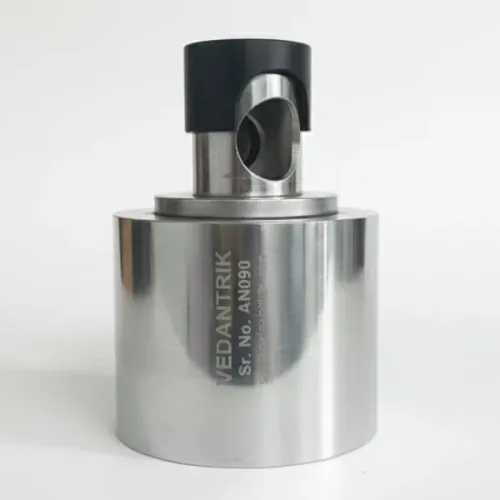
Correct setup of the test cell is also essential. The anode and cathode compartments must be filled with the appropriate solutions, typically sodium chloride on the anode side and sodium hydroxide on the cathode side. Proper sealing is required to prevent leakage, evaporation, or mixing of solutions during the test duration.
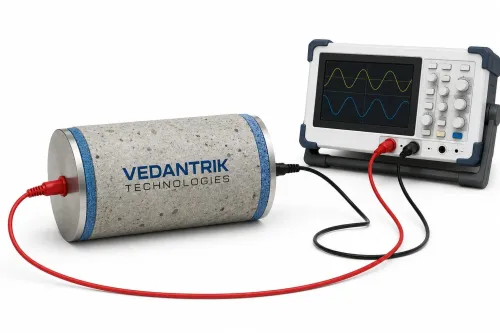
Maintaining a stable electrical supply is equally important. A constant DC voltage, as specified in relevant standards such as NT Build 492, should be applied throughout the test. Any fluctuation in voltage can alter the rate of chloride ion movement and compromise the accuracy of the results.
Temperature control during testing must also be ensured, as higher temperatures can accelerate ion migration and lead to misleading results. Ideally, the test should be conducted in a controlled environment, typically around 20–25°C.
After completion of the test, careful handling of the specimen is required for chloride penetration measurement. The concrete sample is split, and a chemical indicator such as silver nitrate is applied to determine the depth of chloride ingress. Measurements should be taken at multiple points to obtain an accurate average value.
It is also important to avoid using specimens with internal voids, honeycombing, or cracks, as these defects can create preferential pathways for chloride movement and result in overestimated permeability. All equipment used in the test, including the power supply and measuring instruments, should be properly calibrated before testing begins.
Finally, adherence to standard procedures such as NT Build 492 or relevant national guidelines is essential to maintain consistency and comparability of results. Proper documentation of all test parameters, including voltage, current, temperature, and sample details, ensures traceability and supports reliable interpretation of results.
Keywords